1. What is the recent SEBI change about founders and ESOPs?
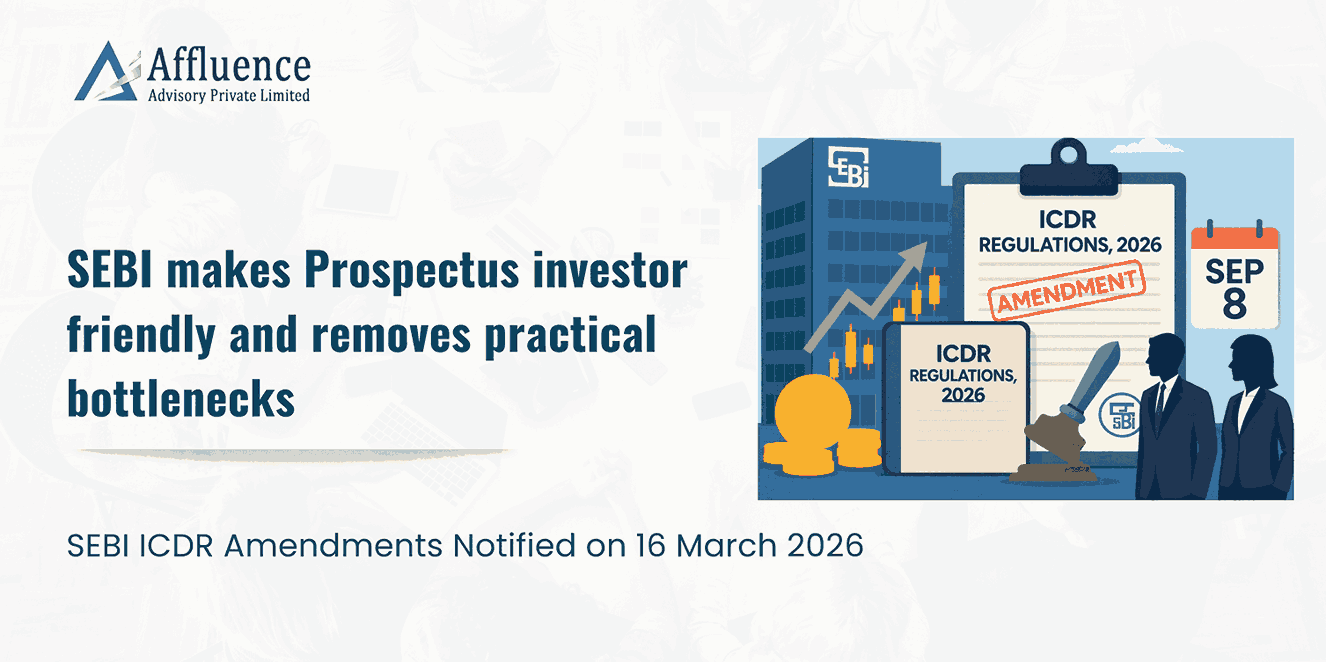
SEBI has amended regulations to allow founders who become promoters before an IPO to hold and exercise ESOPs or other share-based benefits granted before that classification, subject to conditions.
2. Why was this change needed?
Previously founders classified as promoters at an IPO filing could not exercise ESOPs after classification, forcing them to liquidate or lose benefits. The change aims to incentivise founders, preserve cash for startups, and align interests with shareholders.
3. Who does the new regulation apply to?
It applies to founders identified as promoters or promoter group members in the Draft Red Herring Prospectus (DRHP) for an IPO, if the share-based benefits were granted at least one year before DRHP filing.
4. What is the “one-year cooling-off period”?
Founders/promoters can retain and exercise their ESOPs only if granted at least one year before filing the DRHP. This prevents last-minute issuances just before an IPO.
5. Can founders get new ESOPs after becoming promoters?
No. No new share-based benefits can be granted to promoters even under the new rules. The relaxation applies only to already granted options.
6. Does this affect ESOPs after the company lists?
Yes — founders/promoters can continue to exercise eligible pre-IPO ESOPs after listing, but they still cannot get new ESOP grants post-IPO.
7. What else should startups consider when planning ESOPs?
Companies must carefully plan granting, vesting, and exercise schedules to align with this one-year condition and their anticipated IPO timeline.
Disclaimer:This article provides general information existing at the time of preparation and we take no responsibility to update it with the subsequent changes in the law. The article is intended as a news update and Affluence Advisory neither assumes nor accepts any responsibility for any loss arising to any person acting or refraining from acting as a result of any material contained in this article. It is recommended that professional advice be taken based on specific facts and circumstances. This article does not substitute the need to refer to the original pronouncement.