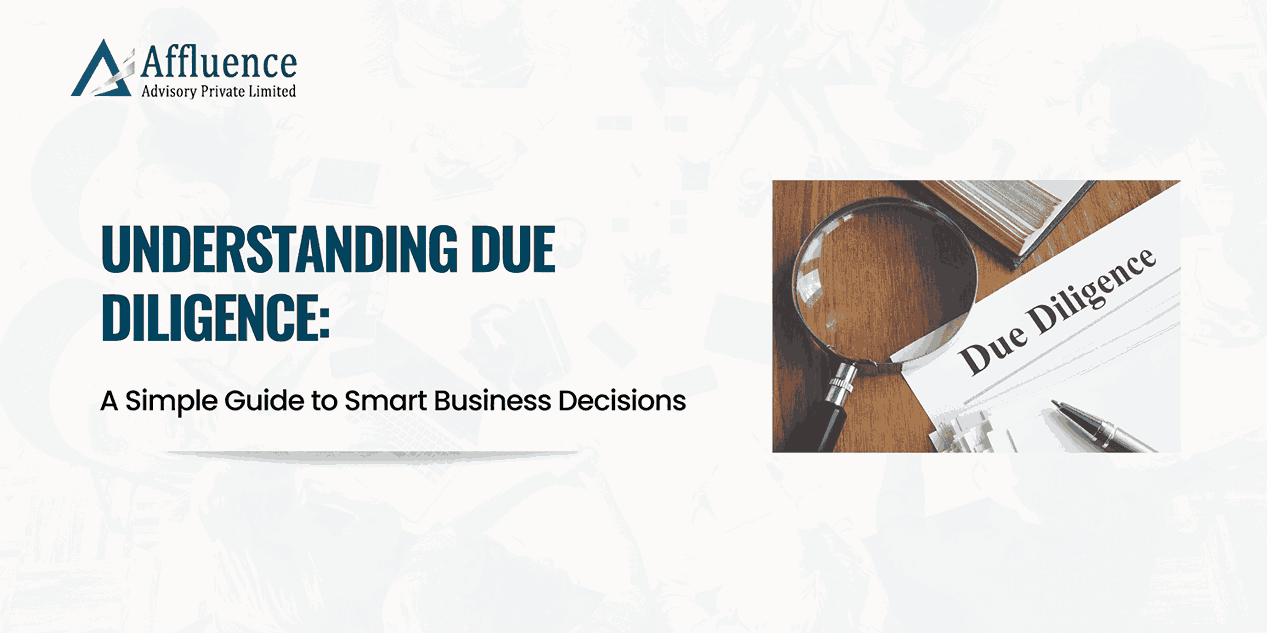
Before buying a company, investing in a business, or entering into a big partnership, one phrase always comes up — “due diligence.” Many people think it’s just a quick check of papers before signing a deal. But real due diligence is much deeper. It’s about understanding the true health of a business — the story behind its numbers, people, and risks — before putting your money or reputation on the line.
What Is Due Diligence?
Think of due diligence like a full-body health check-up — but for a business. It’s a structured process of investigation to ensure everything is as it appears (or not) before committing to a transaction.
It goes beyond balance sheets and reports. Due diligence helps you understand:
- Are the company’s profits genuine or short-lived?
- Are there any hidden debts, legal disputes, or tax troubles?
- Is the leadership reliable and the business model sustainable?
It’s about uncovering both the sunshine and the shadows — what’s working, what’s risky, and what might surprise you later.
Why It Really Matters
Due diligence isn’t just about avoiding losses — it’s about making informed and confident decisions. Here’s why it’s so powerful:
- See Risks Before They Bite:
You identify red flags early, like pending litigations or weak cash flows, before they turn into expensive problems.
- Gain Negotiation Strength:
Knowing the company inside-out lets you ask the right questions, renegotiate the price, or include conditions in the contract to protect your interests.
- Build Confidence Beyond Numbers:
Sometimes the deal looks perfect financially but the culture or management style doesn’t fit yours. Due diligence gives insight into people, values, and long-term compatibility.
- Set the Stage for Long-Term Success:
A thorough check ensures your decision is safe today and sustainable for the future.
Different Types of Due Diligence
Due diligence has many layers — each lighting up a different part of the business.
- Financial Due Diligence
This digs deep into the company’s financial health. Beyond balance sheets, it studies revenue sources, debt management, and if profits are sustainable. Analysts look at cash flow, assets, liabilities, and forecasts to verify the numbers.
- Legal Due Diligence
Here, the focus is compliance and legal obligations. It involves checking contracts, licenses, ownership documents, employee agreements, and any past or pending legal disputes. You want to ensure the company follows laws with no hidden troubles.
- Operational Due Diligence
This assesses the daily business operations — supply chains, key staff, production, and IT systems. It asks: Can the business keep running if a key person leaves or a supplier fails?
- Tax Due Diligence
Taxes can make or break a deal. This verifies tax payments, filings, and planning. Unpaid taxes can quickly become your headache after acquisition.
- Technology & Cybersecurity Due Diligence
In today’s digital world, data security and technology systems are vital. A breach or outdated tools can destroy value overnight. This checks that infrastructure is safe and robust.
- Reputational Due Diligence
Numbers don’t show how the company is seen. Media reports, customer reviews, and employee feedback reveal reputational risks invisible in financial reports.
How the Due Diligence Process Works
Every due diligence exercise follows common steps. Here’s how professionals typically do it:
- Step 1: Planning the Review
Define what needs checking and how deeply. The plan depends on industry, deal size, and concerns.
- Step 2: Collecting Information
Request key documents—financials, taxes, contracts, HR data, licenses. Missing paperwork can signal deeper problems.
- Step 3: Verifying Facts
Cross-check figures, validate claims, compare with industry standards. Confirm that management’s story matches reality.
- Step 4: Identifying Risks
Classify findings as:
- Red flags: deal-breakers or serious problems.
- Amber flags: issues needing management.
- Green flags: positive indicators.
- Good due diligence weighs these against your goals, not just listing them.
- Step 5: Reporting Findings
Summarize key issues, their impact, and possible solutions. This guides negotiations and decisions on whether to proceed, renegotiate, or walk away.
- Step 6: Ongoing Monitoring
Even after signing, keep watching. Markets and businesses change. Ongoing checks ensure commitments are kept and risks managed.
Common Mistakes to Avoid
- Relying Only on Documents: Truths often hide beyond papers. Talk to employees, customers, and industry peers for fuller insights.
- Skipping Post-Deal Checks: The job isn’t done once the contract is signed. Monitor continuously.
- Treating Due Diligence as Checklists: It requires critical thinking and tough questions, not just ticking boxes.
A Simple Example
Imagine you want to buy a fast-growing tech startup. The revenue looks great, and the founder is optimistic. But due diligence uncovers two key facts: most clients are on short-term contracts, and the chief technology officer plans to leave soon.
Armed with this:
- You can negotiate a lower price.
- Ask for bonuses to retain key staff.
- Or decide to walk away if risks are too big.
This is the power of due diligence — turning hidden risks into clear choices.
Conclusion: Your Compass for Smart Decisions
Due diligence isn’t about avoiding all risks. It’s about knowing which risks are wise to take. It turns scattered facts into a clear picture and gives you confidence to act smartly.
Simply put, due diligence is your business decision compass — helping you navigate complex deals safely, avoid hidden traps, and move toward lasting success.
Disclaimer: This article provides general information existing at the time of preparation and we take no responsibility to update it with the subsequent changes in the law. The article is intended as a news update and Affluence Advisory neither assumes nor accepts any responsibility for any loss arising to any person acting or refraining from acting as a result of any material contained in this article. It is recommended that professional advice be taken based on specific facts and circumstances. This article does not substitute the need to refer to the original pronouncement.
CLICK HERE DOWNLOAD PDF