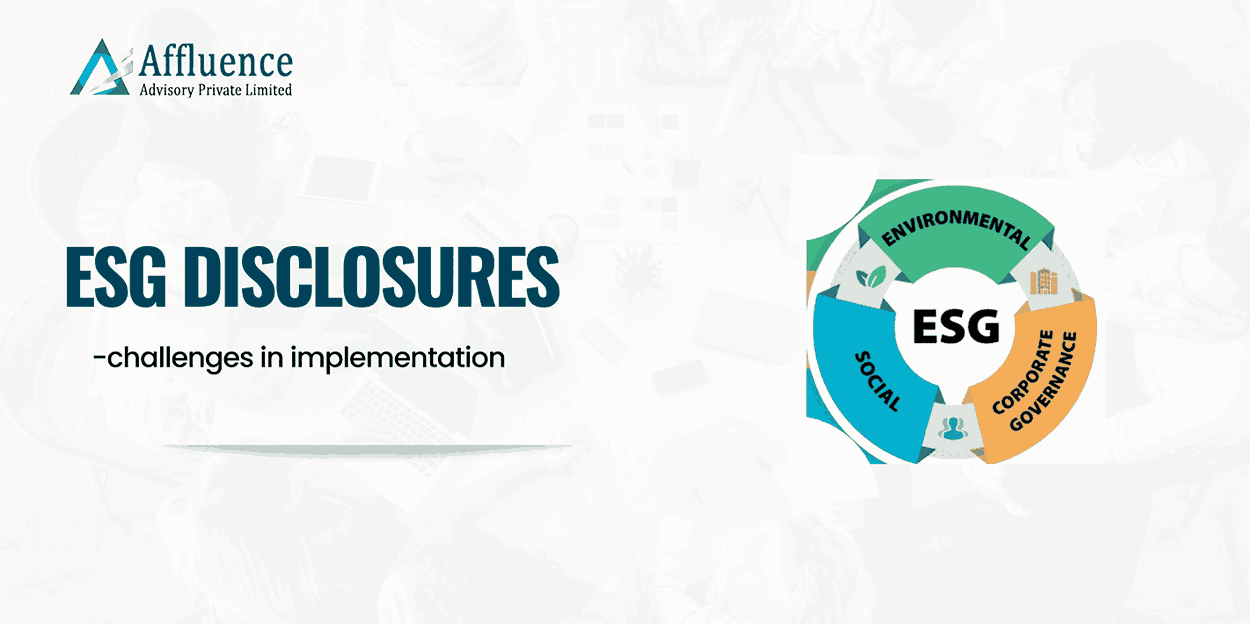
The SEBI circular dated July 12, 2023, introduces the BRSR Core framework—a standardized mechanism for enabling reasonable assurance of key ESG (Environmental, Social, and Governance) metrics and extending disclosure requirements to a company’s value chain. While well-intentioned in promoting transparency and sustainable business practices, its implementation poses several practical and structural challenges for listed companies.
Key Implementation Challenges under SEBI’s BRSR Core Framework
1. Data Collection Complexity Across the Value Chain
Companies face significant hurdles in collecting reliable, auditable ESG data from suppliers, distributors, and contract partners, many of whom are small or unlisted entities. These partners may lack the necessary systems or awareness to record emissions, waste, labor practices, and diversity data at the required granularity.
2. Standardization of Metrics and Methodologies
Despite SEBI providing a defined set of Core indicators, companies must align varied operational and geographical data into consistent formats. The absence of universally available ESG data protocols within the value chain complicates standardization and comparability of disclosures.[1]
Also Read: Sustainable Compliance: Integrating Environmental, Social, and Governance (ESG) Factors
3. Limited Readiness of Assurance Providers
India’s assurance ecosystem for ESG metrics is still evolving. There are limited numbers of trained auditors capable of assessing ESG data with the same rigor as financial audits. This causes challenges in obtaining “reasonable assurance” for BRSR Core indicators by qualified assurance providers.
4. Integrating ESG Reporting into Enterprise Systems
Organizations are required to link BRSR data generation with internal ERP, compliance, and sustainability reporting tools. For many, integrating sustainability KPIs into existing systems entails additional investment, process redesign, and ongoing maintenance.
5. Cost Burden and Resource Constraints
Implementing BRSR Core can be expensive. Companies must allocate budgets for ESG data software, third-party assurance fees, staff training, and periodic updates. Smaller listed entities and those with wide supplier networks face disproportionate cost pressures. Also, implementation of ESG parameters by value chain partners requires significant cost to be incurred by these partners. Most of the small value chain partners are small enough to incur high cost.
6. Supplier Engagement and Contractual Challenges
The circular mandates that listed entities disclose ESG data for their value chain, covering significant suppliers and distributors. Suppliers may resist providing sensitive or non-financial data, viewing such disclosures as intrusive or commercially risky. This raises practical enforcement and relationship management issues.
7. Risk of Inconsistent or Unverified Disclosures
Due to weak control environments outside direct corporate boundaries, companies risk submitting incomplete or inaccurate ESG information for value chain components, which could lead to regulatory non-compliance or reputational exposure
8. Lack of Sector-Specific Guidance
The BRSR Core framework applies across industries, but material ESG topics differ by sector (e.g., carbon footprint in manufacturing versus data privacy in IT). SEBI’s generic indicators may not fully capture industry nuances, leading to misaligned or superficial disclosures
9. Training and Capacity Building Gaps
Effective ESG reporting requires both awareness and capability. Most companies’ finance, legal, and sustainability teams need upskilling in data validation, assurance processes, and value chain ESG assessment methodologies.
10. Timelines and Transition Management
Given SEBI’s phased implementation approach—initially applying the framework to the top 250 listed companies—entities face challenges in meeting compliance timelines while aligning internal systems and external suppliers for assurance readines
Strategic Way Forward
To overcome these challenges, companies can:
- Develop robust internal ESG governance structures.
- Establish digital ESG data repositories integrated with supply chain systems.
- Engage suppliers through awareness programs and data-sharing protocols.
- Collaborate with assurance providers early to identify data gaps.
In essence, while SEBI’s BRSR Core framework (Circular SEBI/HO/CFD/CFD-SEC-2/P/CIR/2023/122 dated July 12, 2023) demonstrates a landmark step toward embedding sustainability in corporate governance, its execution will test data maturity, audit preparedness, and value chain collaboration across India’s listed entities.
Disclaimer: This article provides general information existing at the time of preparation and we take no responsibility to update it with the subsequent changes in the law. The article is intended as a news update and Affluence Advisory neither assumes nor accepts any responsibility for any loss arising to any person acting or refraining from acting as a result of any material contained in this article. It is recommended that professional advice be taken based on specific facts and circumstances. This article does not substitute the need to refer to the original pronouncement.
CLICK HERE DOWNLOAD PDF